Moving Into a ‘Forever Home’ vs. a ‘For-Now Home’: How Design Strategy Changes
January 26, 2026 - Michelle Murphy
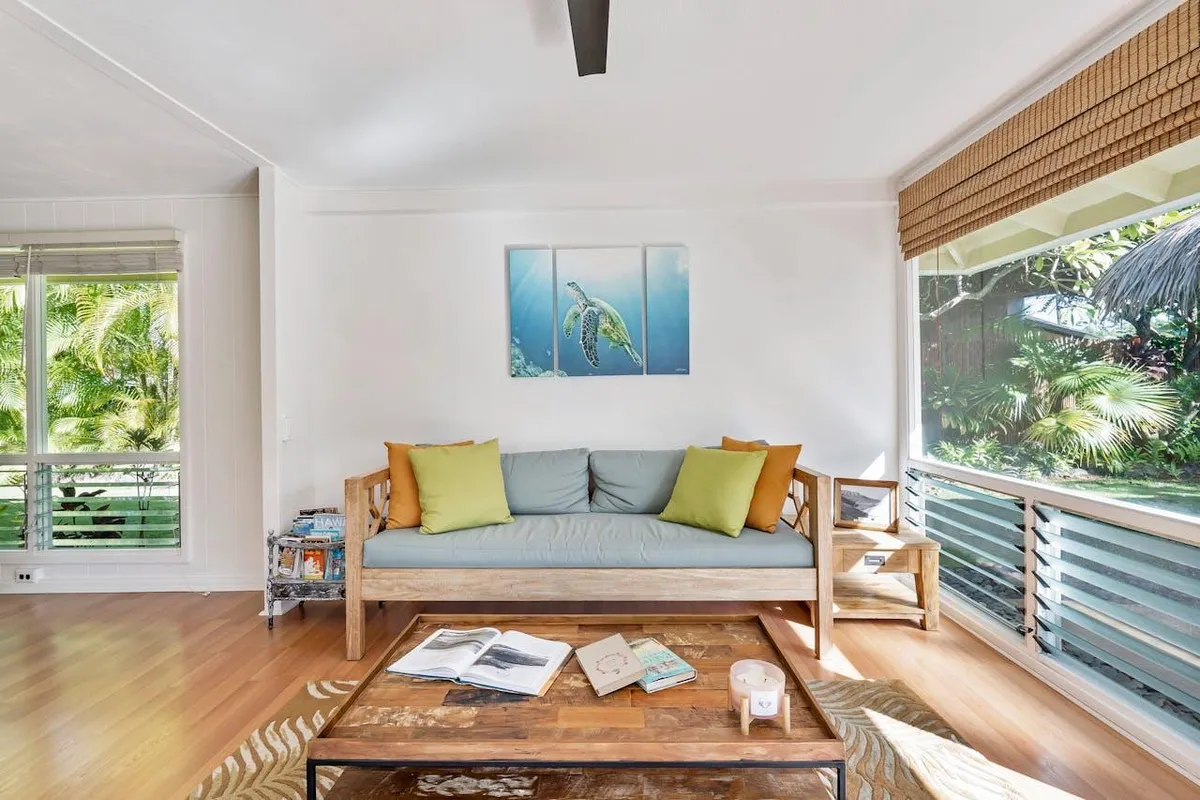
Whether you’re moving into a ‘forever home’ vs. a ‘for-now home,’ it can feel exciting and overwhelming at the same time. The way you design each space should depend on how long you plan to stay. A forever home calls for durable choices, personal details, and long-term comfort. In contrast, a for-now home needs smart updates that look great and stay flexible. In this guide, you’ll learn how to plan your design strategy with less stress and better results.
Define Your Timeline Before You Pick Paint
Before you buy anything, get clear on your timeline. It sounds simple, but it changes everything. If you plan to stay for years, you can choose finishes that hold up over time. You can also take on bigger projects without rushing.
On the other hand, a short stay needs a lighter touch. Focus on updates that are easy, affordable, and quick to finish. For example, fresh paint, better lighting, and updated hardware can go a long way.
Most importantly, decide what matters day to day. Then design around real life, not trends.
Budget Strategy: Spend Like a Long-Term Owner or a Smart Short-Term One
Your budget should match your plans, not just your taste. When you’re moving into a ‘forever home’ vs. a ‘for-now home’, the smartest spending looks very different. A long-term space can handle higher-quality materials, even if you upgrade in phases. Meanwhile, a shorter stay calls for tighter limits and fewer custom choices.
To stay on track, list your top priorities first. Then build the rest around them. That is where interior design budget considerations can save you from regret later. Also, leave a small buffer for surprises, because they always happen.
Relocation, Packing, and Setting Up Your Space Fast
A smooth move starts with a clear plan rather than a rush of boxes. Pack by room and label each box on two sides so unloading stays organized. Measure doorways, elevators, and large furniture ahead of time to avoid delays on moving day. In addition, prepare a small “first-week” bin with chargers, towels, toiletries, and basic tools so you can function comfortably from day one.
However, certain items require added attention, particularly glass and framed decor. When thinking about how to transport large mirrors safely, for example, bring all the materials you need, blanket and box your mirror, label the mirror, and ensure proper transportation from start to finish. Taking these steps with your mirror and handling it properly reduces the risk of cracks or surface damage during transit. Once everything arrives intact, unpack the most frequently used rooms first to make the new space feel settled right away.
Layout Choices: Permanent Changes vs. Reversible Updates
Layout is where design can either pay off or cause stress. In a long-term home, it may be worth improving how rooms connect. For example, widening a doorway or adding built-in circulation space can make daily life easier. You can also plan zones for work, kids, or hobbies without forcing them into one room.
If the home is temporary, keep changes easy to undo. Swap furniture placement, add a console for storage, or use room dividers for privacy. Also, test your routine before moving walls. Small adjustments often solve big problems.
Materials and Finishes: Buy Once vs. Buy Practical
Finishes set the tone, but they also affect maintenance and cost. In a forever home, durability should lead the decision. Choose flooring that resists scratches, counters that handle heat, and hardware that won’t loosen fast. These upgrades may cost more upfront, yet they tend to feel better every day.
For a for-now home, focus on clean and flexible choices. Neutral paint, simple tile, and mid-range fixtures usually work well. Also, skip anything too niche or trendy. To keep things lively, add a pop of color through decor, artwork, or a small accent wall. That way, your space feels fresh without locking you in.

Comfort and Future-Proofing
Comfort isn’t a luxury when you live in a space every day. In a forever home, think ahead so the house supports you long-term. Better lighting, wider walkways, and easy-to-reach storage can make routines feel smoother. If stairs may become an issue later, plan for safer entry points and non-slip flooring now.
In a for-now home, focus on comfort you can take with you. Add soft rugs, blackout curtains, and layered lighting for calmer evenings. Even small changes can create a sense of wellness at home and reduce daily stress. The goal is simple: make the space work for real life.
Style Strategy: Personal Story vs. Broad Appeal
Style is where your home starts to feel like yours. When you’re moving into a ‘forever home’ vs. a ‘for-now home’, your approach should shift. In a forever space, it makes sense to lean into personal taste. Choose art you love, textures you enjoy, and colors that feel right.
For a for-now home, keep the wider choices more neutral. Then add personality with items you can move later, like lamps, pillows, and wall decor. This way, the space looks polished, but you won’t feel stuck with bold decisions.
Storage and Built-Ins: When Custom Is Worth It
Storage can make a home feel calm or chaotic. In a long-term space, custom solutions often pay off. Built-in shelves, closet systems, and a drop zone by the entry can keep daily clutter under control. They also help every room feel more intentional.
For a shorter stay, flexibility matters more. Use modular shelves, baskets, and freestanding cabinets that can move with you. Also, think vertically when space is tight. Hooks, wall rails, and over-door organizers add storage fast. A few smart pieces can tidy up your whole routine.
The Two Rooms That Change Everything: Kitchen and Bathroom
Kitchens and bathrooms shape how a home feels every single day. In a forever home, it often makes sense to invest here first. Better layouts, durable cabinets, and strong ventilation can improve comfort long-term. You’ll also notice the difference in lighting and storage right away.
In a for-now home, aim for upgrades that refresh the space without a full remodel. Swap outdated hardware, replace a faucet, or update the mirror and lighting. Even repainting cabinets can change the mood. Focus on clean finishes and easy function. Small wins add up quickly in these rooms.
Design With Your Timeline, Not the Pressure
When you’re moving into a ‘forever home’ vs. a ‘for-now home’, the best design choice is the one that fits your real life. Think about time, budget, and daily comfort. Then make updates that feel intentional. With a clear plan, your space can look great and work even better.