The Best Kitchen Layouts for Aging in Place
February 9, 2026 - Michelle Murphy
Designing a home that supports you long-term is one of the most meaningful investments you can make, and the kitchen is a key place to start. As we age, our needs, mobility, and habits naturally shift. A well-planned kitchen makes everyday tasks safer, easier, and more enjoyable, without sacrificing beauty or luxury.
Whether you’re renovating now with the future in mind or supporting a loved one who plans to age in place, the right layout and thoughtful design choices make all the difference. Here’s what to know.
Why Kitchen Layout Matters for Aging in Place
Aging in place isn’t about making your home look “clinical.” It’s about subtle, smart design decisions that minimize physical strain and maximize comfort. A good layout:
-
improves movement flow
-
reduces unnecessary bending and reaching
-
ensures surfaces and appliances are accessible
-
allows space for mobility aids (now or later)
-
keeps the kitchen intuitive, welcoming, and safe
The goal is a kitchen that adapts with you, not one you have to adapt to.
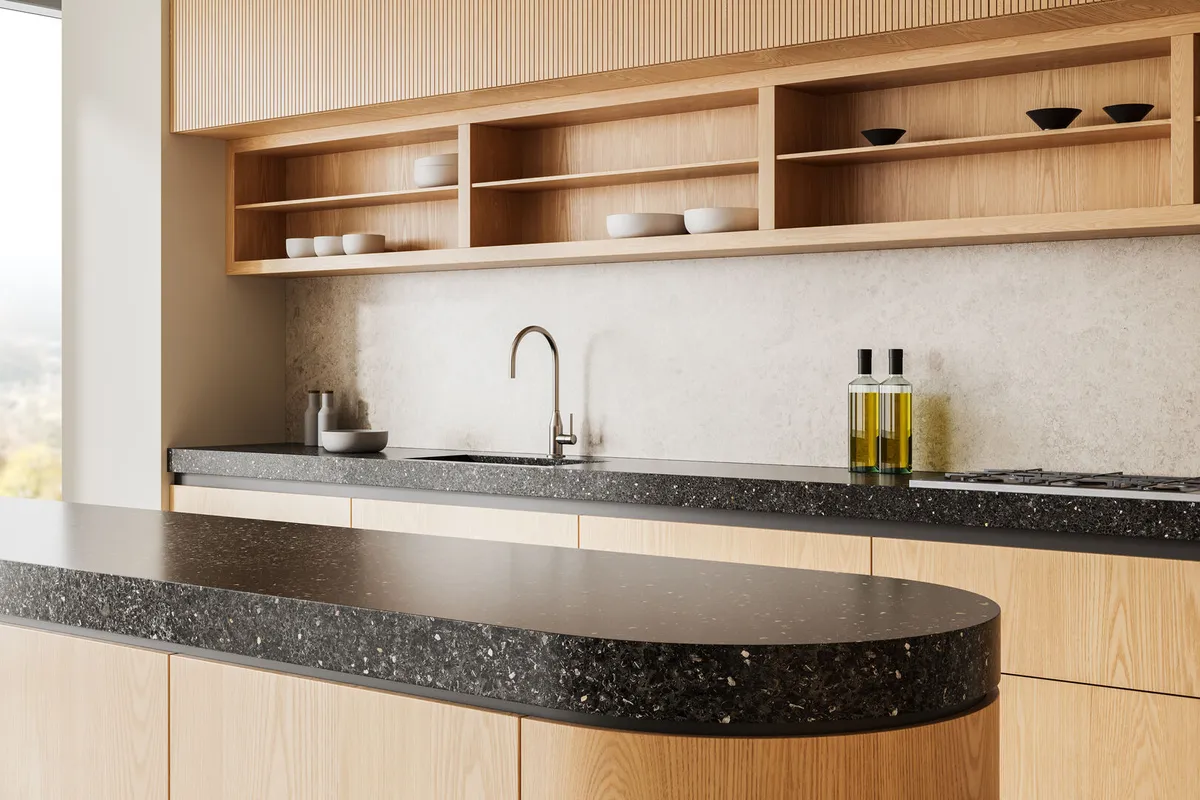
The Best Kitchen Layouts for Aging in Place
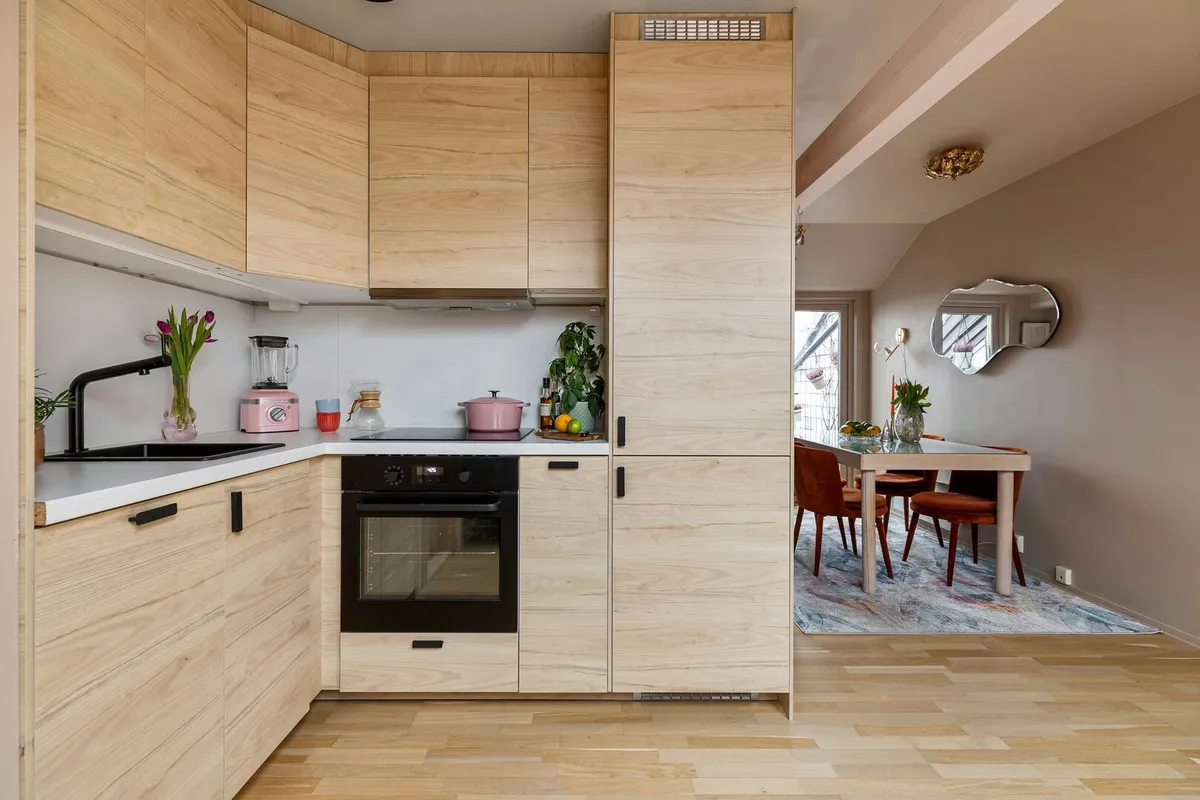
The L-Shaped Kitchen
An L-shaped layout is one of the most naturally supportive designs for aging in place. With two adjacent walls of cabinetry and appliances, this layout provides:
-
Generous open space for movement, including walkers or wheelchairs
-
Multiple work zones so tasks can be broken up easily
-
Simple flow without the congestion of a galley or U-shaped kitchen
Adding a small island or peninsula, if space allows, keeps the kitchen efficient without narrowing pathways.
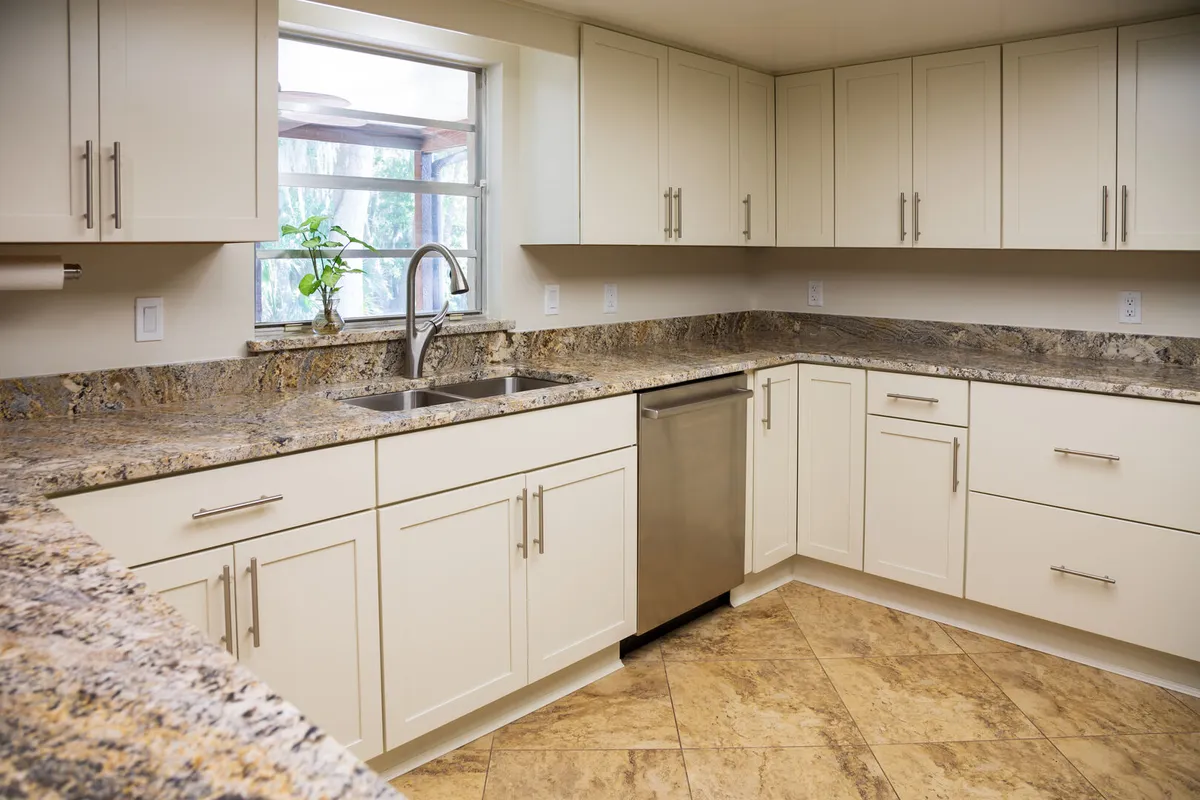
The U-Shaped Kitchen (With One Open Side)
Traditional U-shaped kitchens can feel tight, but a modern version with an open end provides:
-
Plenty of counter space, so everything has a place
-
A central “pivot point” that reduces steps between prep, cooking, and cleaning
-
Opportunities for lowered or varied counter heights
It’s important to ensure that the “U” is wide enough to maintain accessibility. Wider clearances and rounded counter edges also help reduce bumps and bruises.
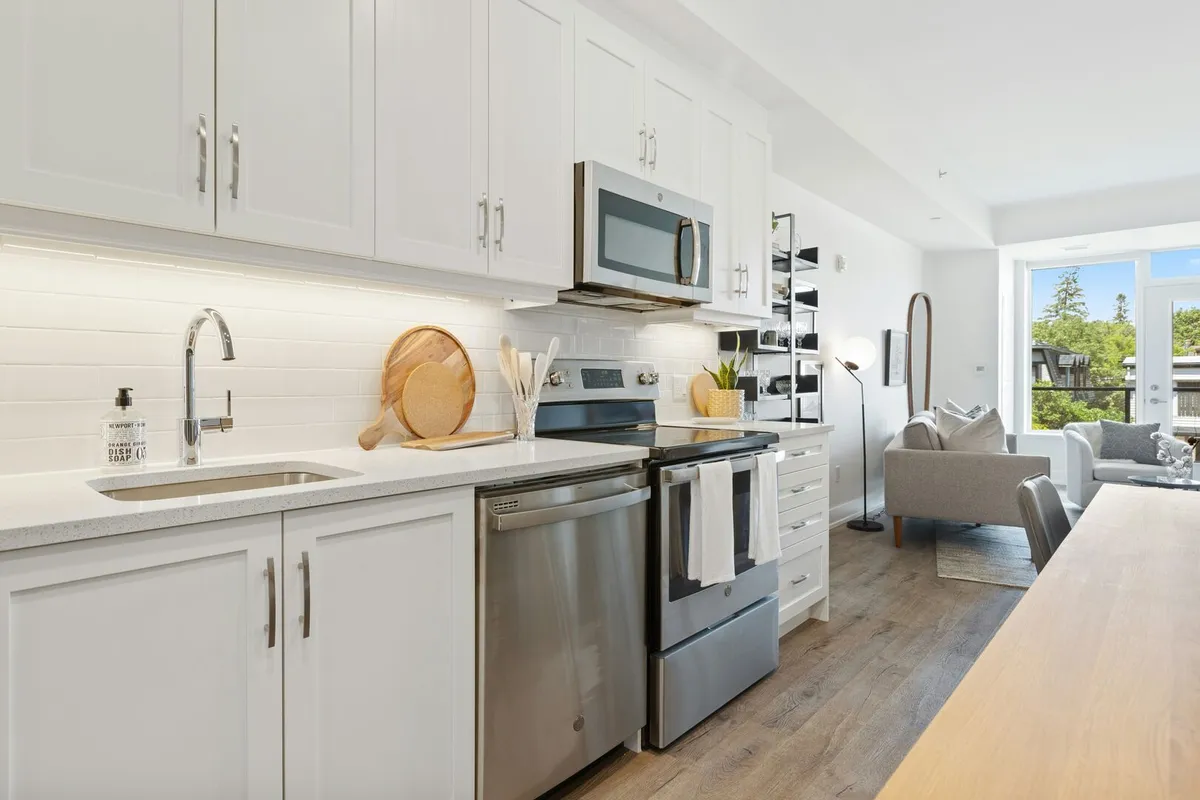
The Single-Wall Kitchen (Ideal for Smaller Homes or Suites)
For aging in place, sometimes simplicity is best. A single-wall kitchen can be surprisingly effective when designed thoughtfully:
-
Easy access to everything without crossing the room
-
Straightforward pathways, reducing trip hazards
-
Space for a secondary island or moveable worktable that can be used for prepping or seated tasks
This layout works beautifully in multigenerational homes, secondary suites, and downsized spaces.

The Modified Galley Kitchen
A classic galley can feel tight. However, a modified galley with wider walkways and an open end can offer excellent aging-in-place benefits.
-
Minimal reaching because everything is within arm’s length
-
Efficient workflow along a linear path
-
Ample lighting opportunities on both sides
When both walls are kept under 12 feet, this layout allows for aging-friendly functionality without feeling like a corridor.
Design Features That Make Any Kitchen Aging-Friendly
No matter the layout you choose, incorporating a few (or all!) of these elements makes your kitchen future-proof and beautifully functional.
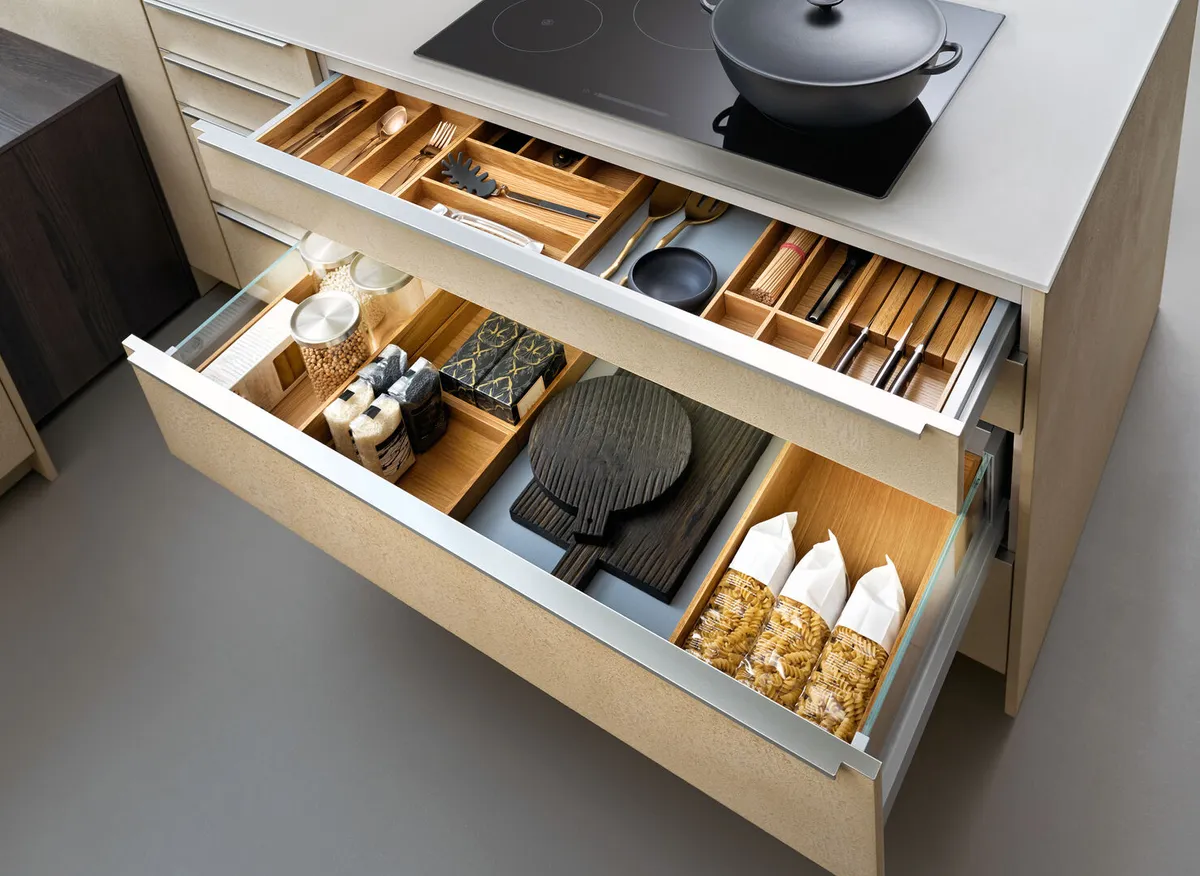
Install Drawers Instead of Lower Cabinets
Drawers reduce the need to bend, crouch, or unload entire cupboards to find what you need. They glide out smoothly, display their contents fully, and make organization simple.
Paired with soft-close hardware, drawers also prevent slamming and reduce strain.
Choose Counter Heights That Support Comfort
Standard counter height doesn’t work for everyone. Consider:
-
Varied heights for prep, baking, or seated tasks
-
A small lowered section for wheelchair accessibility
-
Rounded edges to minimize injury risks
Even a subtle 2–4” height variation can make a world of difference.
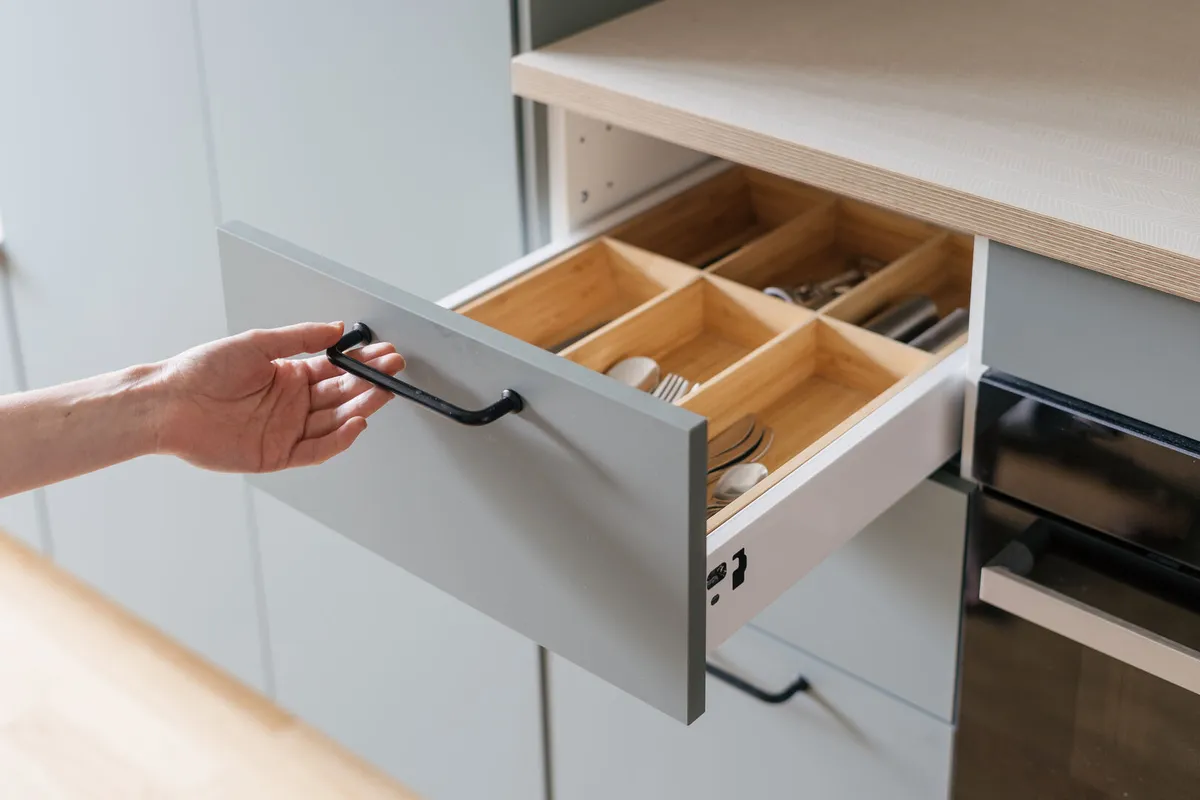
Opt for D-Shaped Handles or Pulls
These are easier to grip than small knobs, especially if dexterity changes over time. Minimalist modern designs ensure your kitchen still feels stylish, not clinical.
Include Ample, Layered Lighting
Good lighting is one of the most overlooked aging-in-place elements. Ensure you have:
-
Bright overhead lighting
-
Under-cabinet lighting for tasks
-
Motion-sensor lights in high-traffic zones
A well-lit kitchen feels safer and more luxurious.
Prioritize Slip-Resistant Flooring
Look for tiles or flooring with a matte finish and some texture. Many luxury vinyl and engineered hardwood options offer excellent traction and stunning visual warmth.
Choose Appliances Wisely
Aging-friendly doesn’t mean boring. Look for:
-
Wall ovens with side-opening doors
-
Induction cooktops for safety
-
Dishwashers with drawers
-
Fridges with full-width pull-out drawers
Smart appliances also offer a layer of convenience and safety—timers, alerts, and remote monitoring all reduce worry.
Keep Frequently Used Items at Accessible Heights
Think:
-
daily dishes
-
pots and pans
-
baking essentials
-
cutting boards
-
cleaning supplies
Avoid storing these above shoulder height or below the knees. Your future self will thank you.
For more ideas on wellness-centred spaces, our post Wellness at Home: Designing for Calm, Comfort, and Luxury explores how thoughtful design can support everyday ease.
Aging in place isn’t just a trend; it’s a mindset. It’s about creating a kitchen that adapts gracefully with your life while still feeling warm, stylish, and personal. With the right layout, thoughtful storage, and smart design choices, you can enjoy a kitchen that supports comfort, safety, and beauty for years to come.
Ready to Design a Kitchen That Supports You for the Long Run?
If you’re planning a renovation, big or small, MMID can help you design a kitchen that feels luxe, functional, and beautifully future-proof.
Connect with MMID today to start planning a space that grows with you.