How to Create a Home That Feels Calm in a Busy World
November 11, 2026 - Michelle Murphy
Life is moving at a faster pace than ever. Between our busy work schedules, family commitments, social events, community involvement, and phones buzzing non-stop with notifications, finding a moment to slow down can feel nearly impossible. It has become increasingly important to create a home environment where we can calm our minds. A place to disconnect, to be present with ourselves, our family, and our friends. A place where our never-ending to-do lists feel just a little less overwhelming and a sense of peace can be found.
So, here at MMID, we’re asking ourselves: How can we help you create a home that feels like a place to recharge and quiet the noise of your busy life?
Creating a space that feels restful goes beyond just furnishings and décor. It’s about how we occupy our spaces and the intentional design decisions that make our homes function for us rather than against us. A space that supports our everyday routines, offers areas for relaxation, and brings a sense of balance back into our lives. From functional space planning and thoughtful organization to creating inviting atmospheres, these design choices can make a meaningful impact on how we experience our homes.
This month, we’re sharing a few ways to create a calming environment in your home.
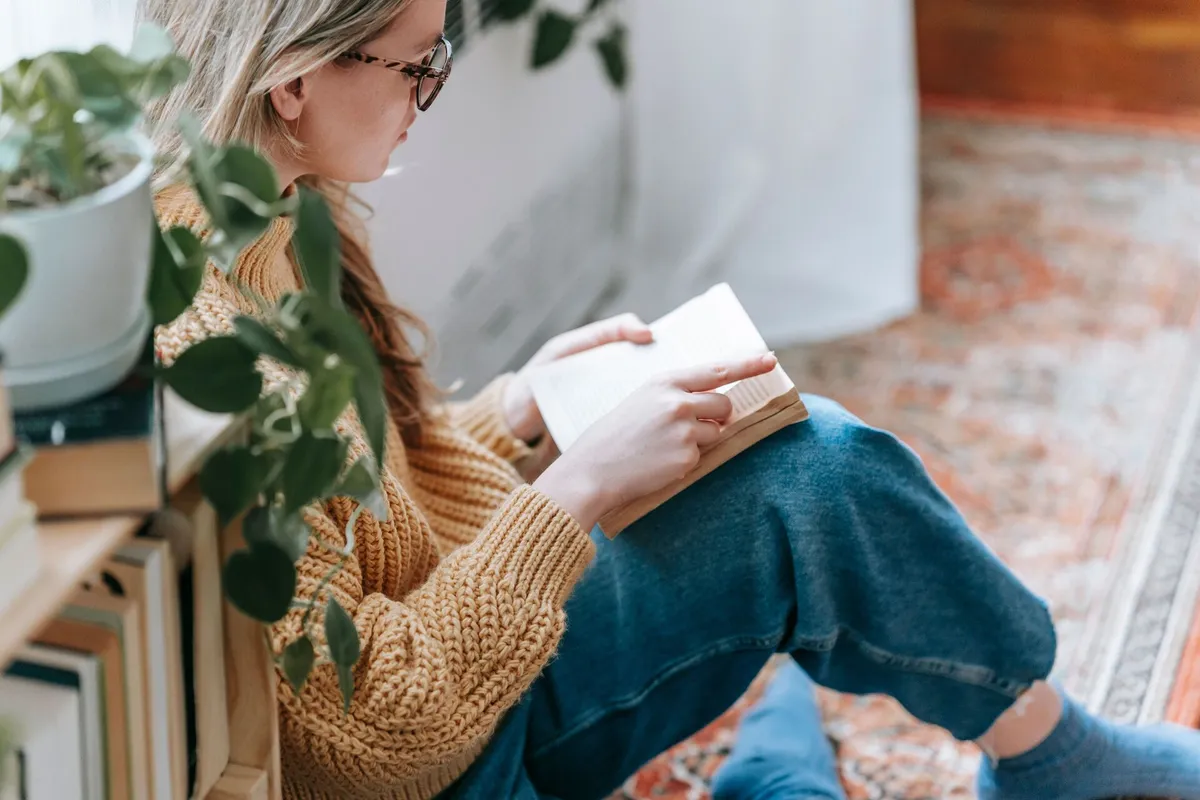
1. Declutter Your Home to Declutter Your Mind
Have you ever moved and gone through all your belongings, only to realize how many unnecessary items we tend to store in our homes? We often feel the need to fill every available space, even when we don’t necessarily need to. Realistically, many of us could likely part with half our belongings and still go about our daily lives.
So, for our first step, we’re asking you to take a closer look at your spaces. Start by removing the extra clutter you can comfortably live without. We all know how quickly time flies in the morning, and having to search through unnecessary clutter just to get on with your daily routine can be time-consuming and add to the busyness of everyday life.
It’s time to look through those drawers and finally part with that extra set of utensils you’ve been holding onto! It’s time to compartmentalize your belongings into logical, designated areas that make sense for your everyday routines. Visual clutter can contribute to a sense of mental chaos, so being intentional about what you keep and how you organize it can help reduce everyday frustrations and create a more functional home.
Here are five simple ways to reduce clutter in your home:
- Give Everything a Designated Place: Create logical storage areas for your belongings so you and your family can easily find what you need at a moment’s notice.
- Incorporate Concealed Storage: Use baskets, drawers, and closed cabinetry to organize small to medium-sized items while keeping your home visually uncluttered.
- Rotate Your Décor: If you have an abundance of decorative accessories, consider donating items that are still in good condition or rotating your favourites seasonally rather than displaying everything at once.
- Organize Storage by Frequency of Use: Label storage bins and keep frequently used items within easy reach, while storing less-used belongings in higher or less accessible areas.
- Keep Countertops Clear: Try to keep countertops as clutter-free as possible. If you need a place for smaller everyday essentials, incorporate decorative catch-all trays or bowls and revisit their contents every few months to remove unnecessary items.
Design Tip: Before purchasing additional storage solutions, take the time to evaluate what you actually need to keep. Thoughtful organization isn’t always about creating more storage; sometimes it’s about making better use of the space you already have.

2. Create a Sense of Calm Through Functional Design and Thoughtful Space Planning
A home that works for you should do more than just look good. You can have a beautifully designed space that simply doesn’t work with your everyday routine. For example, a chair placed in your daily circulation path may look beautiful in the room but become a constant nuisance as you navigate around it throughout the day.
As designers, we look at how you use your space and how you occupy it. Are you a social family that loves to entertain, or do you prefer quieter moments of solitude at home? Perhaps your household has a little bit of both! We consider these small details to create spaces that not only reflect your personal style but also support the way you live.
Ways to improve functionality and flow in your home:
- Consider How You Move Through Your Home: Arrange your furniture to keep everyday pathways clear and comfortable. If you enjoy hosting larger social gatherings, consider flexible furniture arrangements with movable pieces, such as ottomans, that can easily be repositioned or tucked away when you return to your daily routine. Try to eliminate tight pinch points that make moving through your home unnecessarily difficult.
- Think About the Sequence of Your Tasks: Consider how you use each space and the steps you take to complete everyday activities. For example, in your kitchen, organize items according to where and when you use them. Store cutting boards near your prep area, small appliances in cabinets close to accessible outlets, and cooking utensils near the stove. These thoughtful placements help minimize unnecessary movement and make everyday tasks feel more effortless.
- Choose Furniture That Actually Fits Your Space: We tend to think bigger is better, but that isn’t always the case! Have you ever sat in front of a television that was simply too large for the room, making it difficult to comfortably take in the entire screen? Or tried squeezing an oversized sectional into a small living room, only to find yourself constantly bumping your knees against the coffee table? It’s important to consider the proportions of your room and how each piece of furniture fits within it. Furniture that is too large or too small can affect both the functionality and balance of a space. Choosing appropriately scaled pieces allows your home to feel more comfortable, open, and inviting.
Design Tip: See if you can make adjustments with your current furniture. Sometimes simply moving a few pieces can offer a great long-term solution.
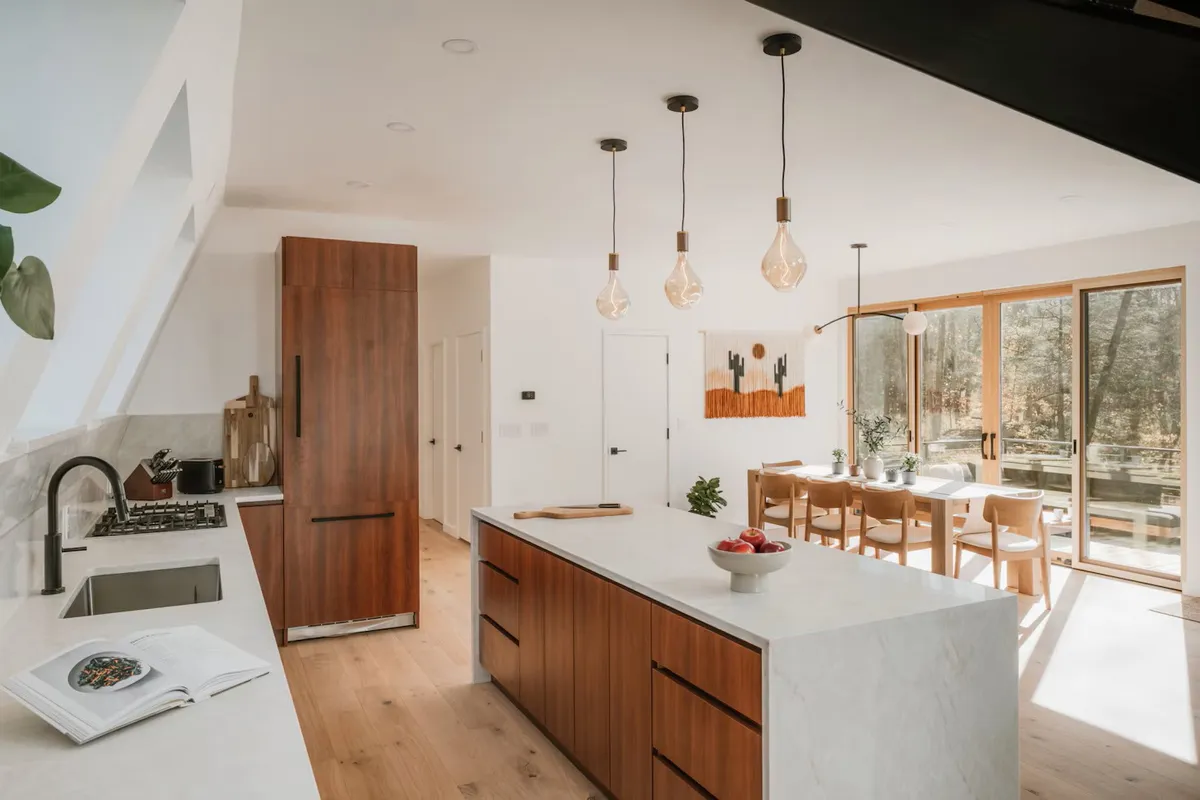
3. Create Comfort Through Layered Lighting
Have you ever walked into a room and immediately felt relaxed by the warm glow of a table lamp? Now imagine that same space illuminated by bright overhead lights. Suddenly, the atmosphere feels completely different!
When designing your lighting, it’s important to remember to layer it. Having too much light or too little can affect your ability to feel a sense of calm in your home. Finding the right balance is essential to creating a space that feels both comfortable and relaxing. Layering your lighting helps make everyday tasks easier, and providing softer, warmer lighting for when you are trying to rest is equally important.
Lighting is one of the most influential elements of interior design, yet it’s often overlooked when creating a comfortable and relaxing home. The right lighting helps us transition from the busyness of our day into a more peaceful evening.
Consider How You Use Your Space
When designing a lighting plan, it’s important to consider where lighting is required and what activities take place in each area.
We suggest brighter lighting for tasks such as food preparation, reading, applying makeup, cleaning, getting dressed, and working at a desk. For activities such as taking a relaxing bath or watching TV, we suggest intentionally lowering the brightness and using warmer colour temperatures to create a more relaxing atmosphere.
Understanding the Three Layers of Lighting
We generally think of lighting in three layers: ambient, task, and decorative lighting. Each plays an important role in creating a space that is both functional and inviting.
- Ambient Lighting: This is the overall lighting of your space, providing the general illumination needed for everyday activities. Think recessed ceiling lights, ceiling fixtures, or indirect lighting that lights your room.
- Task Lighting: This is brighter, more focused lighting that helps us complete specific activities. Think under-cabinet lighting for food preparation, an illuminated bathroom mirror for applying makeup, or a floor lamp in your reading nook. Dimmer switches can also help provide additional brightness when needed for tasks such as cleaning.
- Decorative Lighting: This is additional lighting used to create ambience and a lovely, warm glow in the evening. It can be incorporated through candles, warm floor or table lamps, and wall sconces.
Bringing It All Together
When layering your lighting, you want to incorporate all three elements. Your overall lighting should help you complete everyday activities, additional bright lighting should support specific tasks, and decorative elements should make your space feel warm and homey.
Think about what lighting is needed throughout your home and how those needs may change during the day. Give yourself options by layering different light sources so you can adjust the brightness and atmosphere depending on the mood you’re trying to create.
Design Tip: Consider incorporating dimmer switches or bulbs that allow you to adjust the colour temperature into your lighting plan.
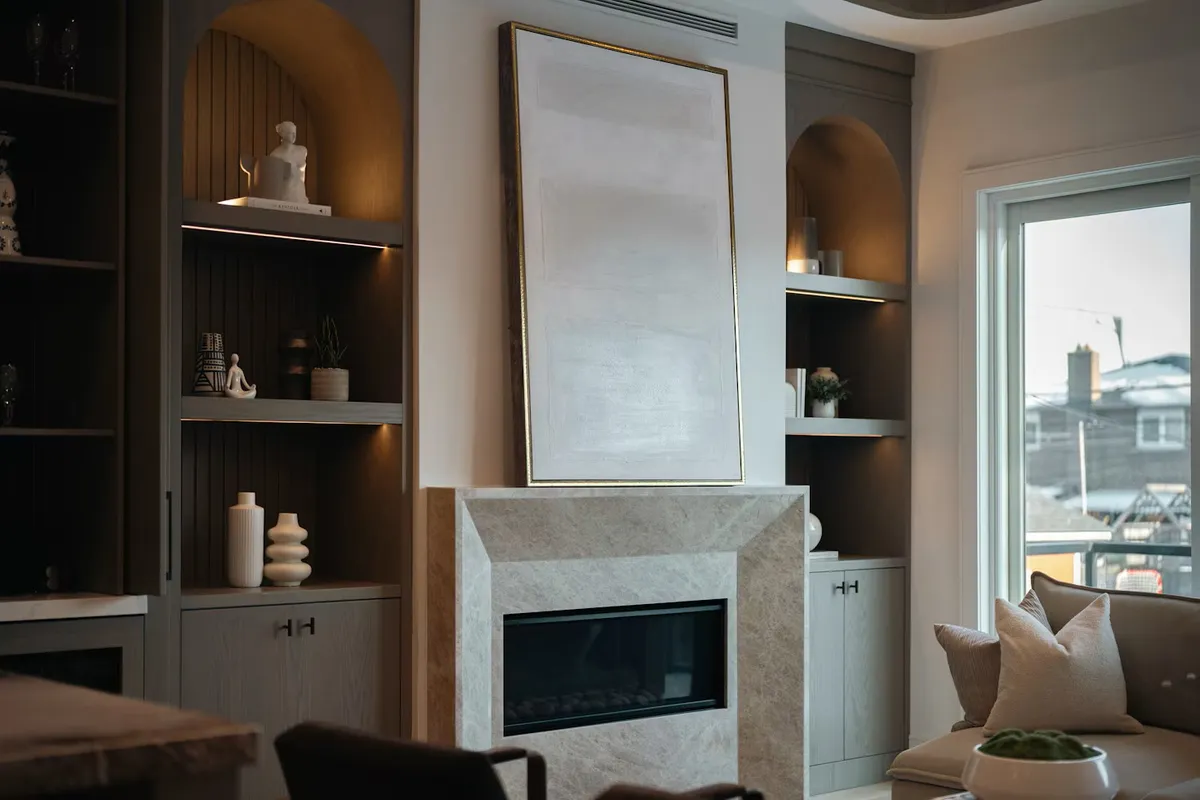
4. Think About the Colours That You Bring Into Your Home
As we’ve seen, colour is making a big comeback. But before adding colour into every space, it’s important to consider its psychological effects. Which colours make you feel energized and invigorated, and which help you feel calm and relaxed? Colours can also be very personal, and some individuals may be more sensitive to their effects than others.
Understanding Colour Saturation
As a general rule, highly saturated colours tend to feel more stimulating, while softer, less saturated colours can create a more calming atmosphere.
When considering different colours, bright yellows are often energizing, while vibrant reds can feel more intense or stimulating. Neon greens and yellows can create a sense of alertness. This is why choosing a colour for a bedroom, for example, can be a strategic design decision, especially when you have young children.
Why not make those nighttime routines a little easier on yourself by choosing softer, more muted colours? Consider a dusty pink, soft blue, or sage green to help create a more peaceful and restful atmosphere.
Where to Incorporate Brighter Colours
Bright colours with high saturation can certainly have their place in a home!
Consider incorporating them into areas where you want to encourage energy and activity, such as a home gym or children’s playroom.
You can also be selective about how much colour you introduce. For example, incorporating a bright pink through a patterned wallpaper can create a very different atmosphere than painting an entire room in that same bold colour. Colour can be incorporated through your décor elements, offering the flexibility to refresh a room’s colour scheme without the need for major changes!
Choosing Colours for a Calming Space
If you’re designing a space where you intentionally want to create a sense of calm, consider incorporating earthy tones, warm neutrals, or muted colours. These softer palettes can help create an inviting environment without overwhelming the space.
Remember, creating a calming home doesn’t mean eliminating colour altogether. It’s about choosing colours that make you feel comfortable and being intentional about where and how you use them.
Design Tip: Before committing to a paint colour, apply a large sample to a piece of foam board and live with it for a few days. Observe how it changes throughout the day under different lighting conditions, and consider how it makes you feel. This will help you determine whether it’s a colour you’ll enjoy living with long-term.
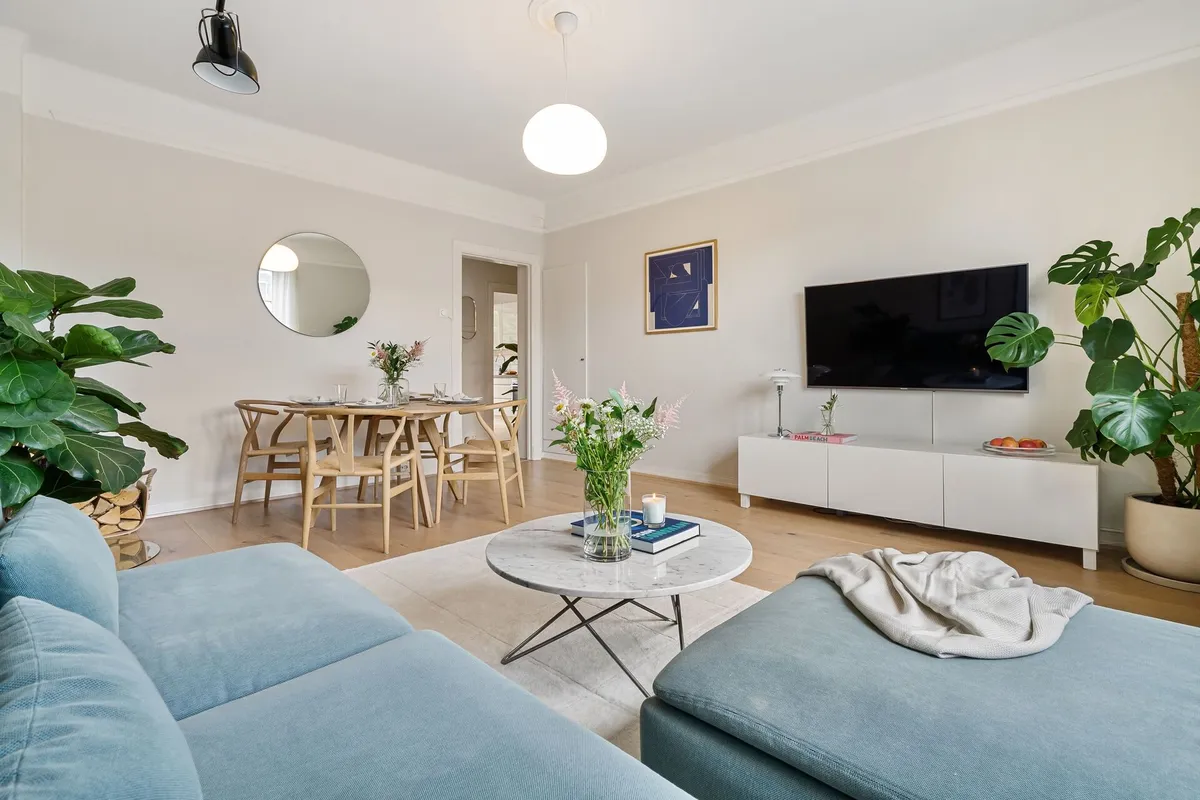
5. Design Spaces That Encourage You to Slow Down
Our final tip for creating a space that allows you to unwind is to design specific zones within your home. Think of dedicated areas that encourage relaxing activities and help you disconnect from your phone.
A simple way to disconnect from our devices is to establish no-phone zones. Using an alarm clock instead of your phone’s alarm in the bedroom and creating dedicated charging stations outside these areas can be helpful ways to reduce distractions and encourage relaxation.
Consider transforming an empty corner of your home into a cosy reading nook, adding softer decorative lighting to your home gym to create a yoga or meditation zone, or, better yet, dedicating an entire room to relaxation if you have the space! If you’re someone who enjoys a spa-like atmosphere, consider incorporating features such as a cold plunge or sauna. Not ready for such a big commitment? Start with the tips below.
Easy Ways to Incorporate Relaxation Zones Into Your Home
- Create a Quiet Corner: Add a dedicated area in your bedroom or living room for reading, journaling, or enjoying your morning coffee.
- Incorporate Comfortable Textiles: Add soft throws, cushions, and other cosy textiles to make your seating areas more comfortable and inviting.
- Make Your Bedroom a Place to Rest: Consider creating a no-work or no-TV zone to help you disconnect from screens and unwind before bed.
- Encourage Connection: If you find relaxation through spending time with others, consider arranging seating to face one another, making conversation and connection feel more natural.
Design Tip: Not everyone unwinds the same way after a long day. Think about what makes you feel most at rest and create a space that encourages you to incorporate that activity into your daily routine. Forming a new habit can take a few months, so give yourself time to establish routines that help you slow down and recharge.
Ready to Design a Space That Makes You Feel at Rest?
Are you still feeling overwhelmed with how to create a calmer home? We’re here to help! MMID can help transform your space into a functional, relaxing retreat that not only reflects your personal style but also supports the way you live. Connect with us today to explore how we can help you create a more peaceful and inviting home for you and your loved ones.